







Making a retail space feel more valuable doesn’t always require buying more merchandise.
Sometimes, the difference between a shelf that feels ordinary and one that makes customers stop comes down to how the products are presented.
For gift shops, boutiques, gourmet retailers and specialty stores, smart merchandising can make existing inventory feel more intentional, more abundant and more valuable—without filling every available inch with more products.
Create Height Instead of Adding More Stuff
One of the easiest ways to transform a display is to stop putting everything on the same level.
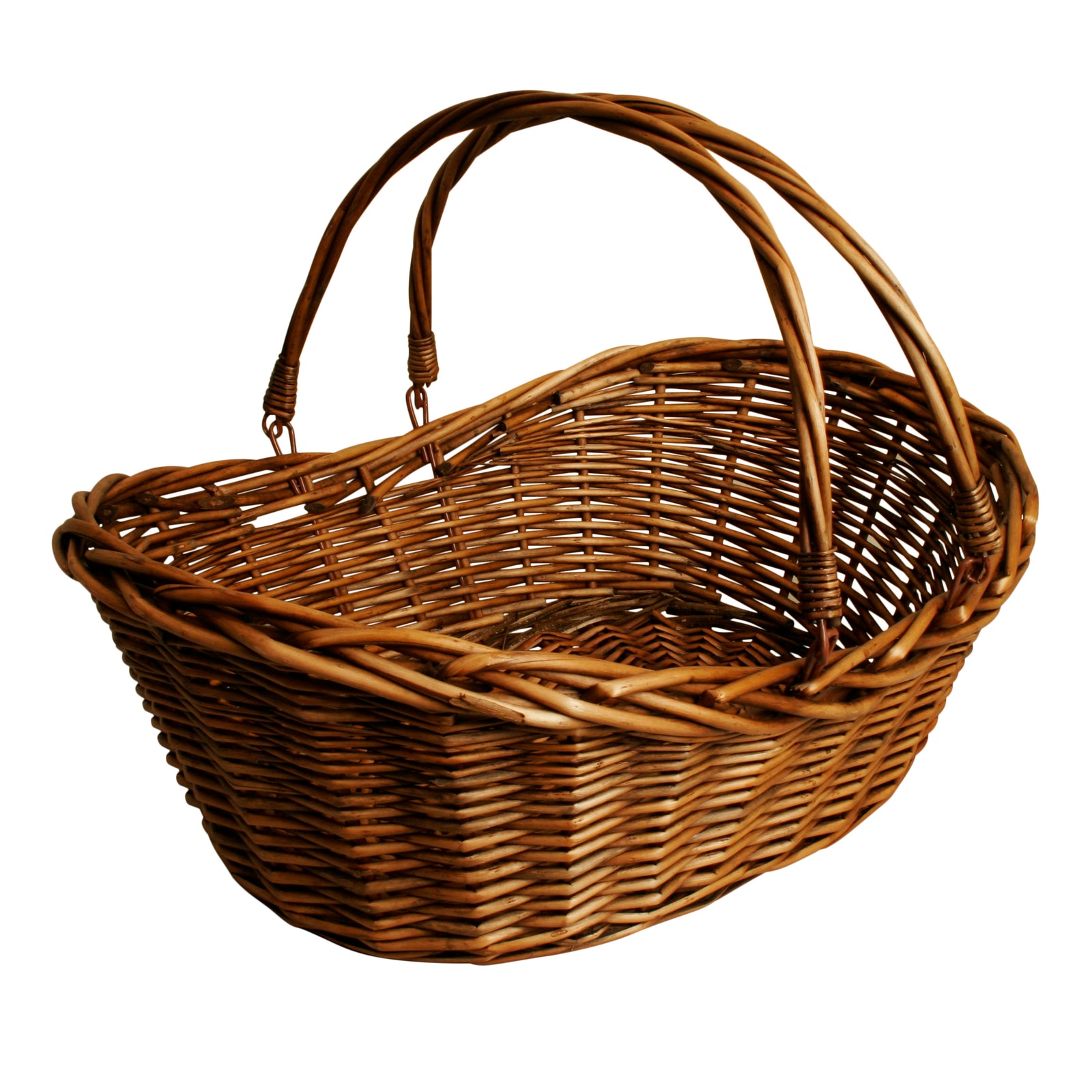
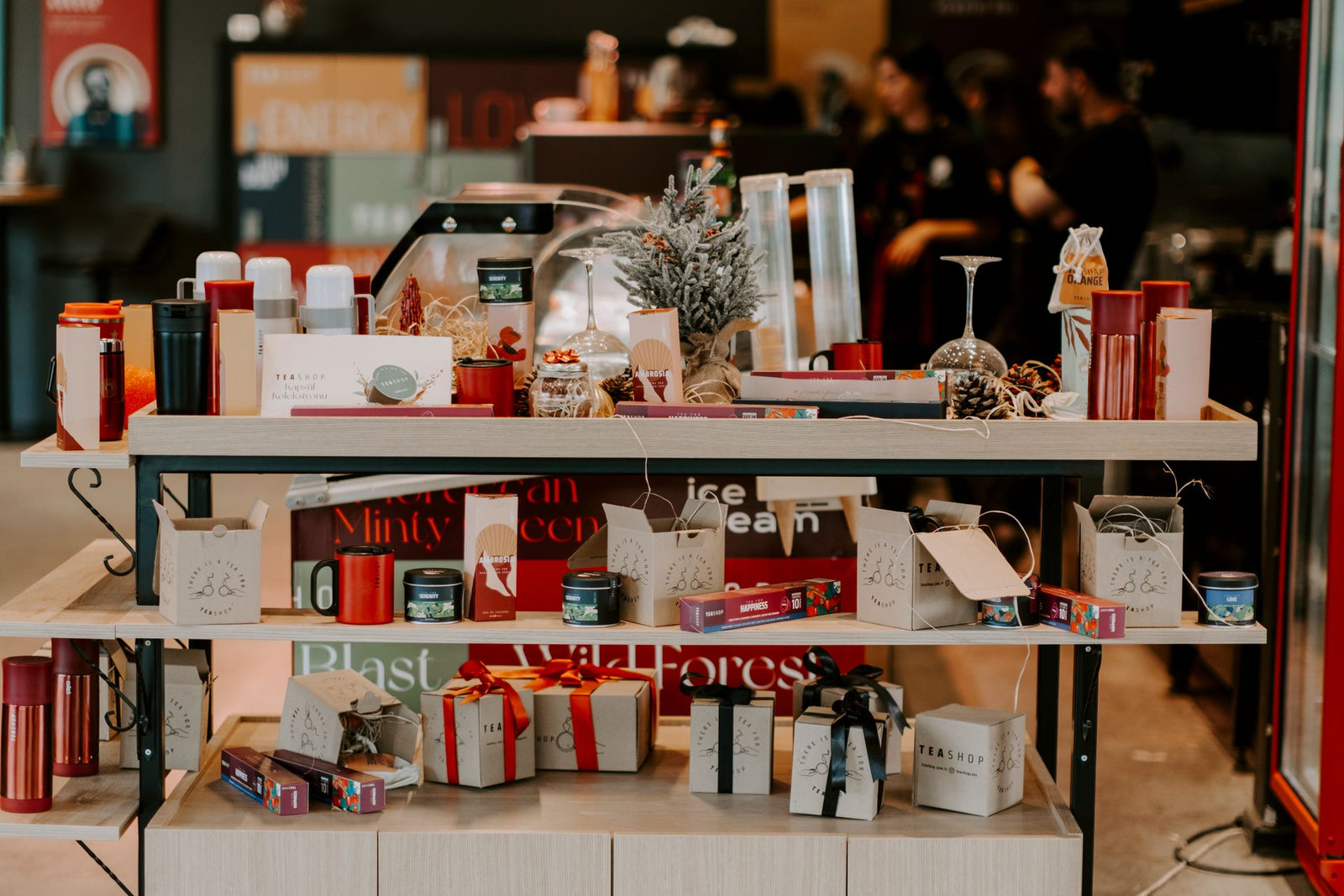
Baskets, boxes, trays and planters can become risers and display pieces, creating different heights throughout a table or shelf. Even simple products become more noticeable when customers can see them instead of looking at one flat row of merchandise.
Turn a sturdy basket upside down. Stack wooden boxes. Place featured merchandise inside a larger container.
You’re creating architecture around the products you already own.
Group Products Into Stories
A dozen unrelated products can look like inventory.
Four products intentionally displayed together can look like a collection.
Instead of merchandising entirely by product type, think about how your customer might actually use the products.
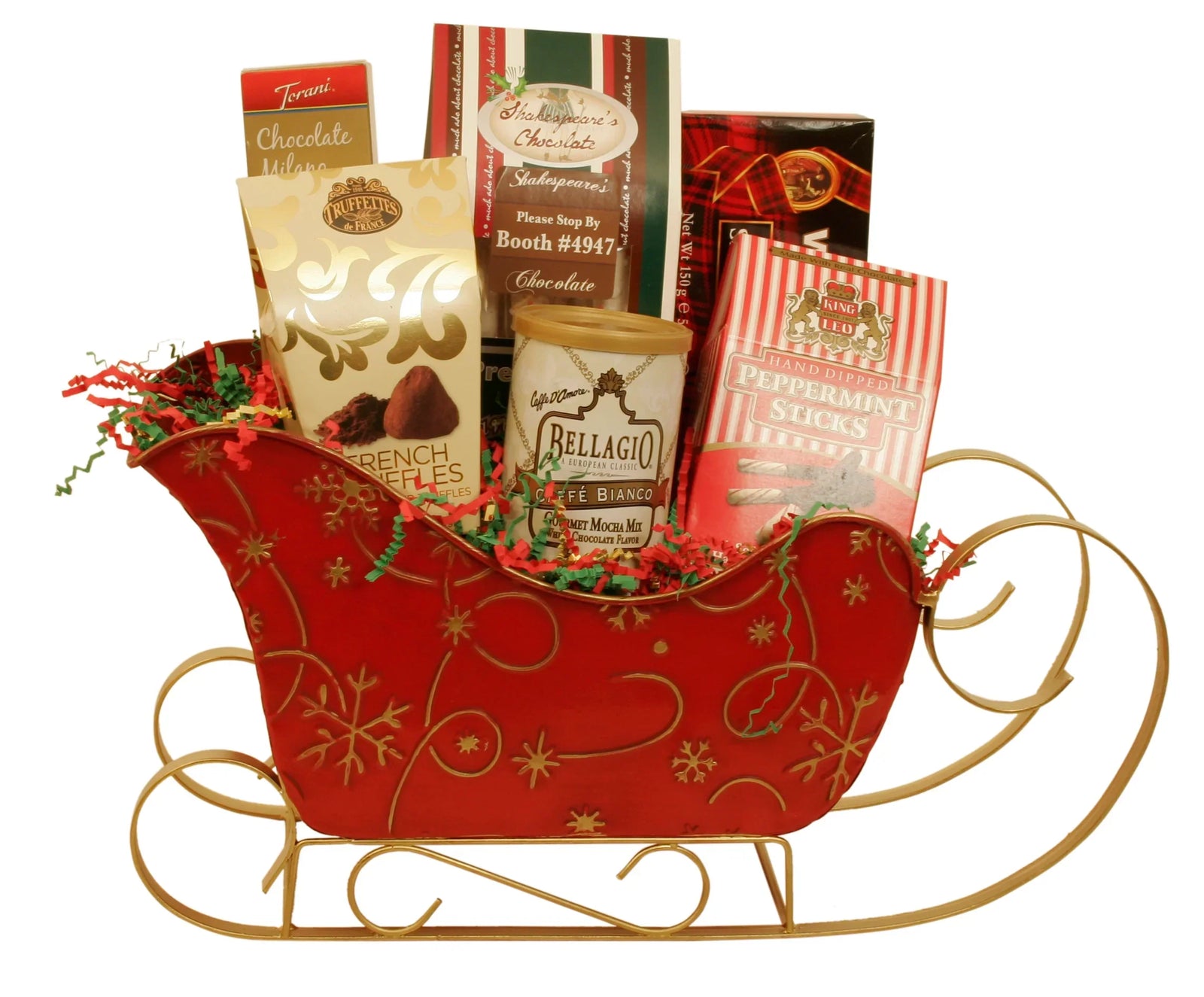
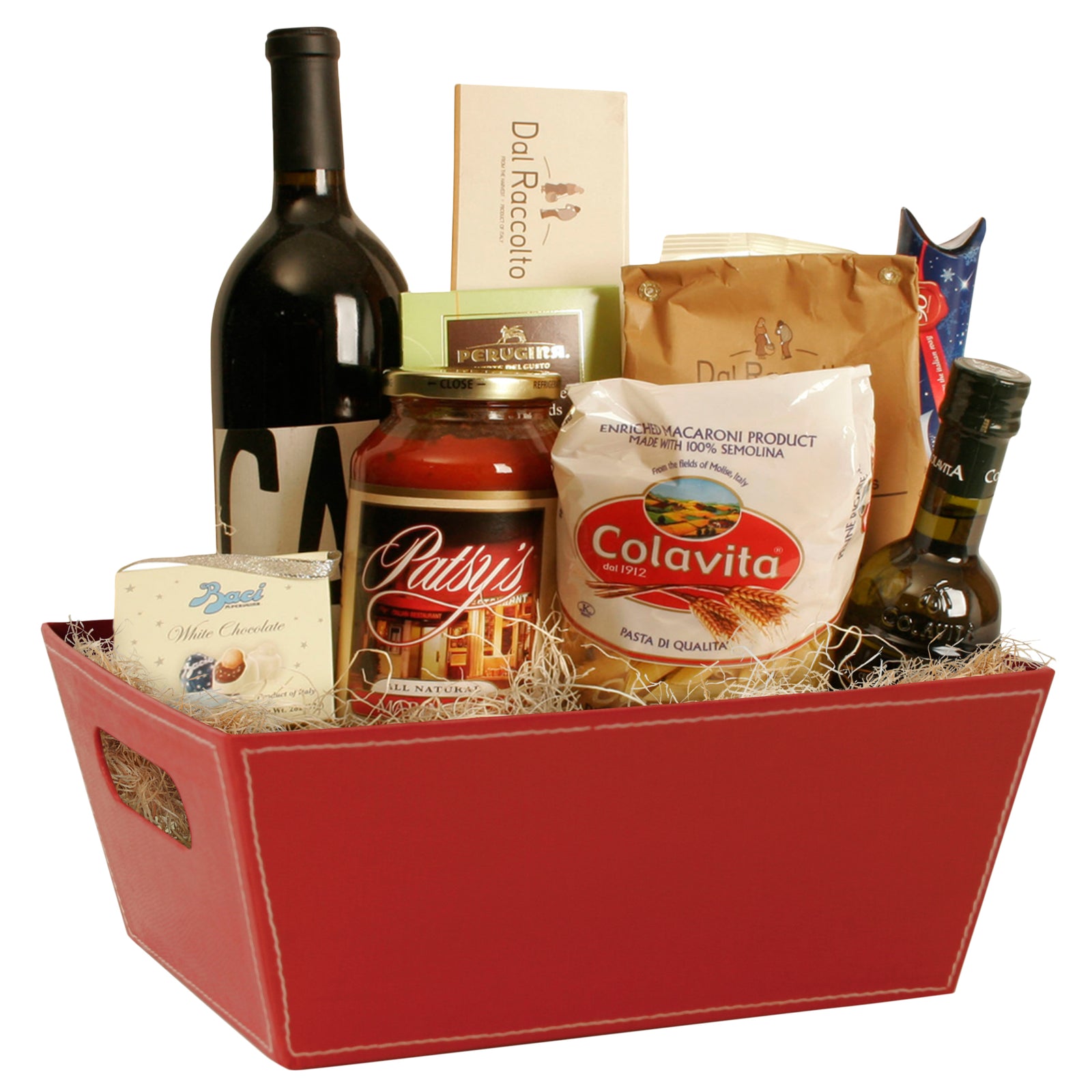
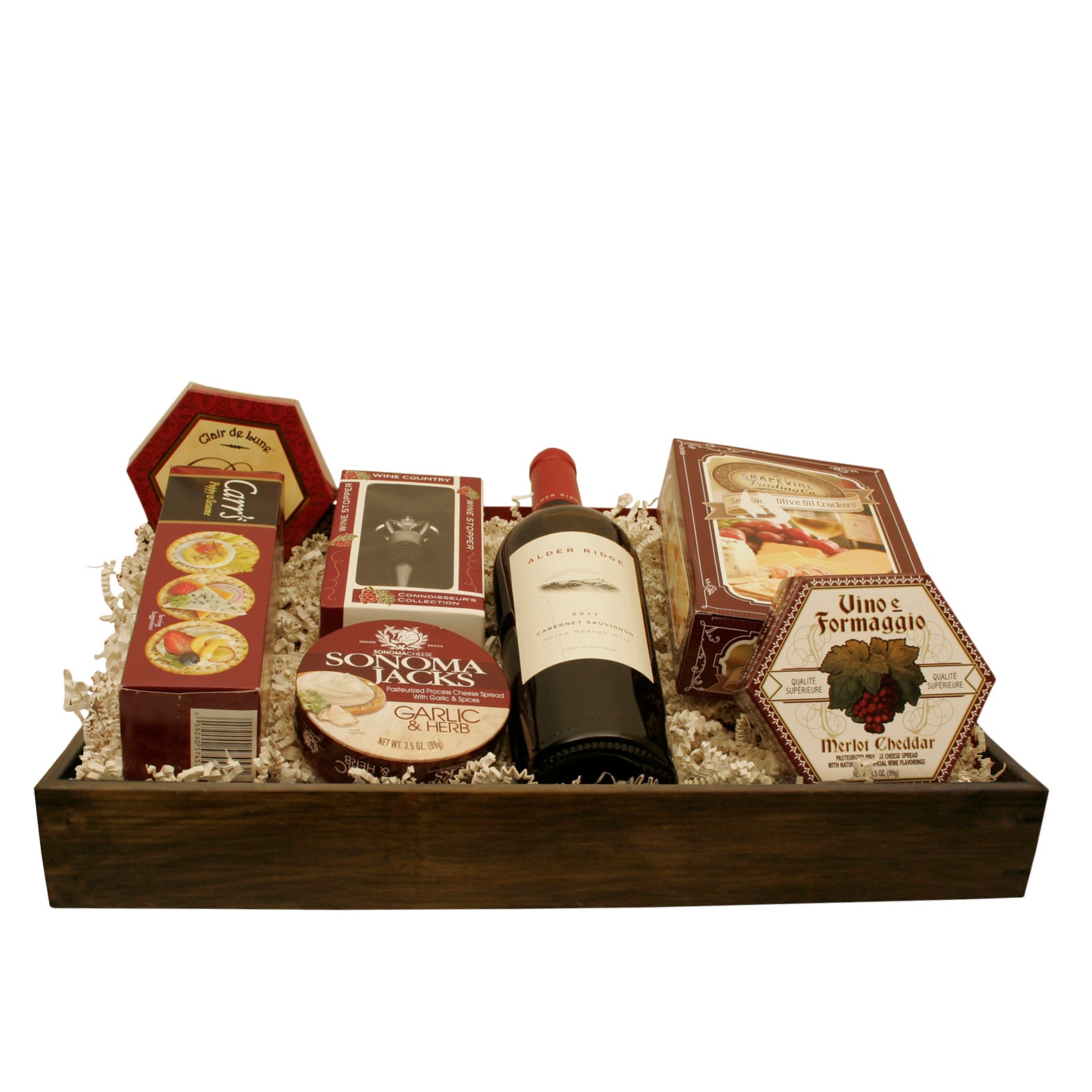
Create a hostess-gift display. A cozy weekend collection. A new-home assortment. A gardener's table. A gourmet dinner display. A self-care corner.
Containers help visually define those little stories and make unrelated products feel like they belong together.
Give Small Products More Presence
Small merchandise can easily disappear on a large shelf.
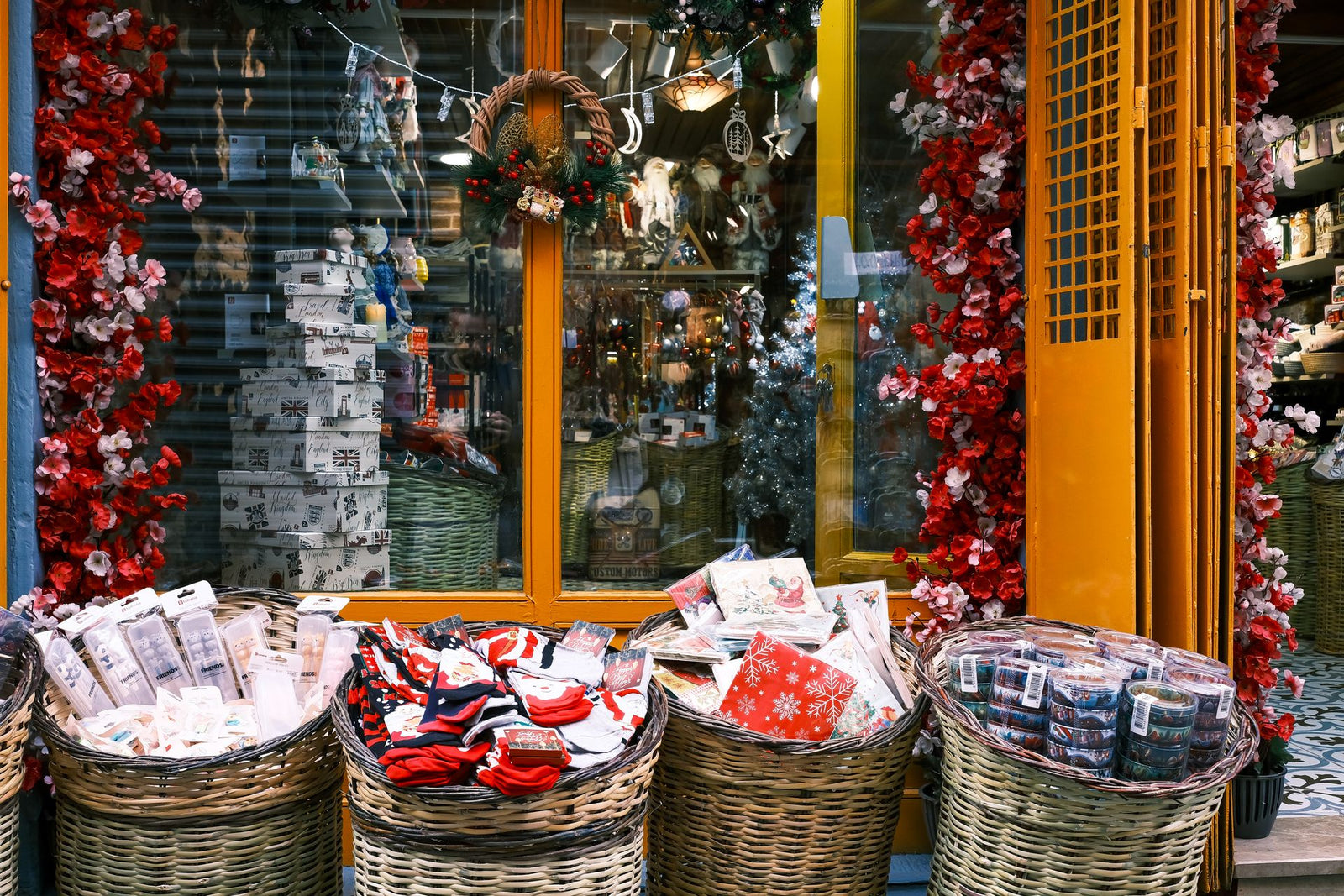
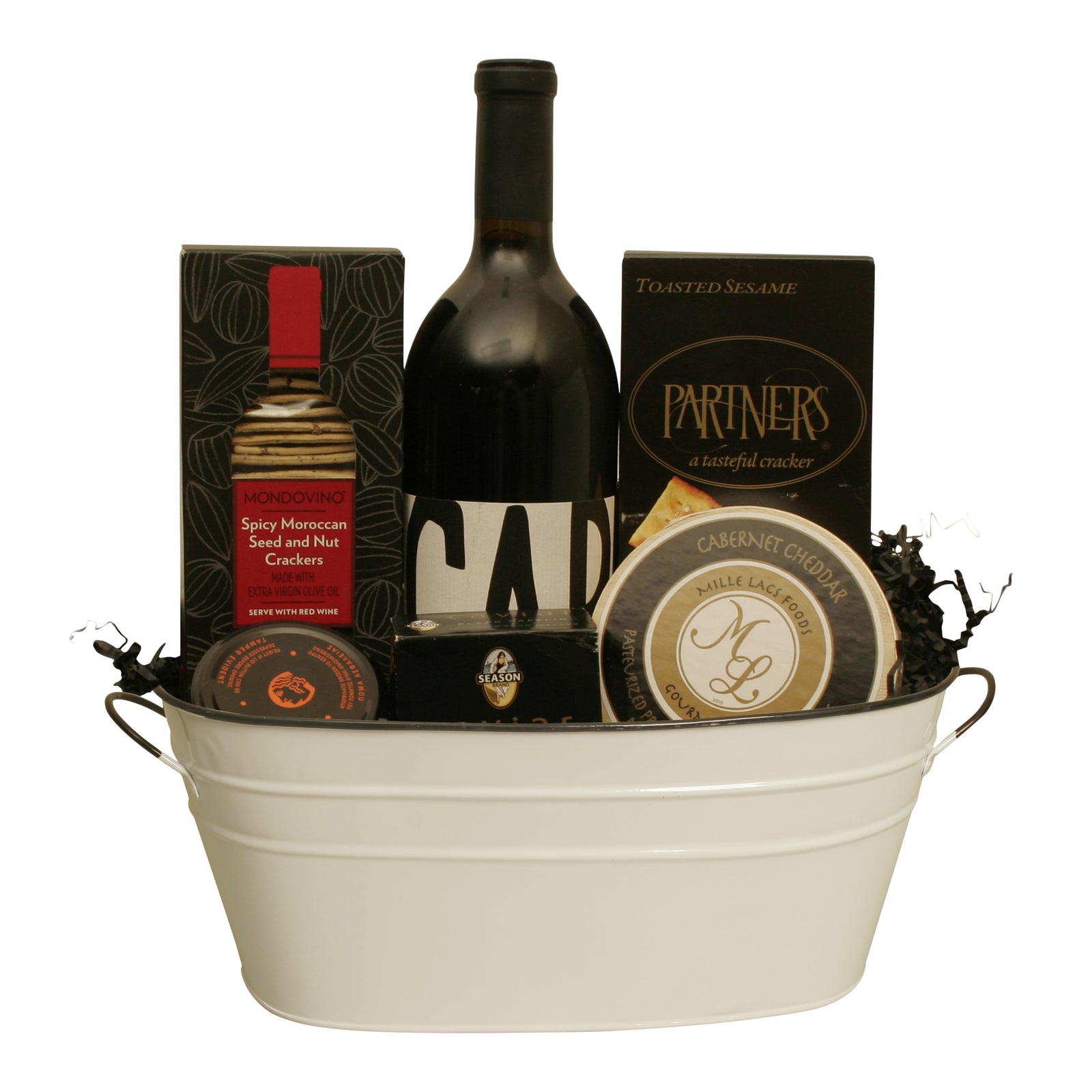
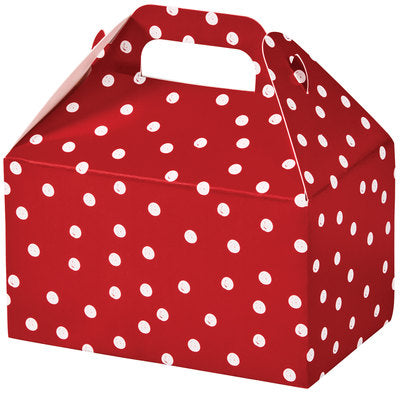
Try gathering smaller products into baskets, trays or decorative containers rather than displaying each item independently. The container creates a visual boundary around the collection and gives inexpensive merchandise more presence.
It can also make a display easier to shop.
Customers immediately understand: these things go together.
Use Texture to Make Displays Feel Layered
Wood, metal, woven fibers and other natural textures can break up rows of packaged merchandise and add visual interest without overwhelming the products themselves.
This is especially useful when much of your inventory comes in similar packaging.
A few strategically placed baskets, boxes, planters or trays can add warmth and texture while still allowing the merchandise to remain the focus.
Let Display Pieces Earn Their Keep
Here's where retail merchandising gets especially interesting:
The display can also be inventory.
Instead of purchasing fixtures that only hold merchandise, use products that customers can buy.
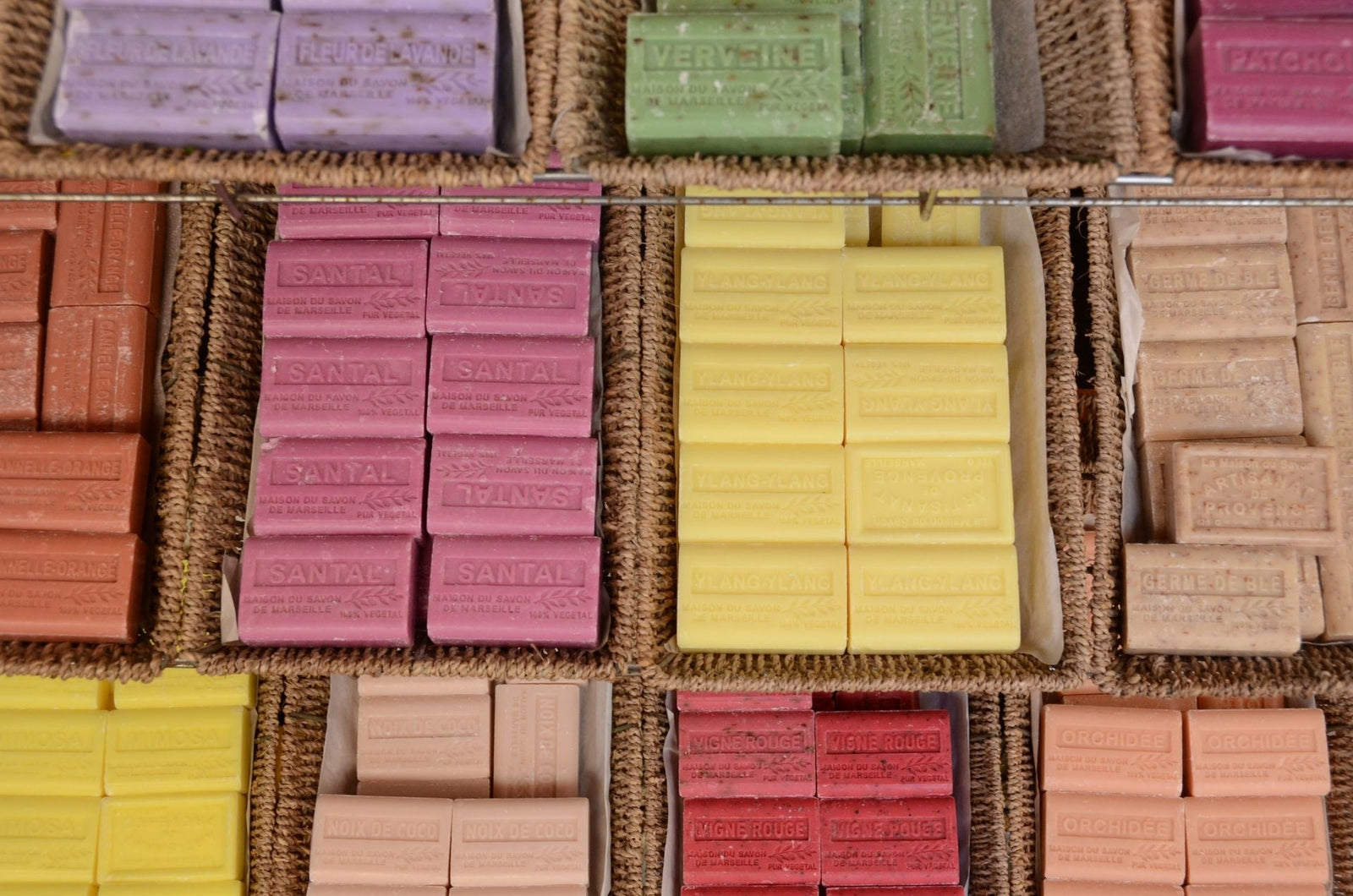
That basket holding soaps? Sell it.
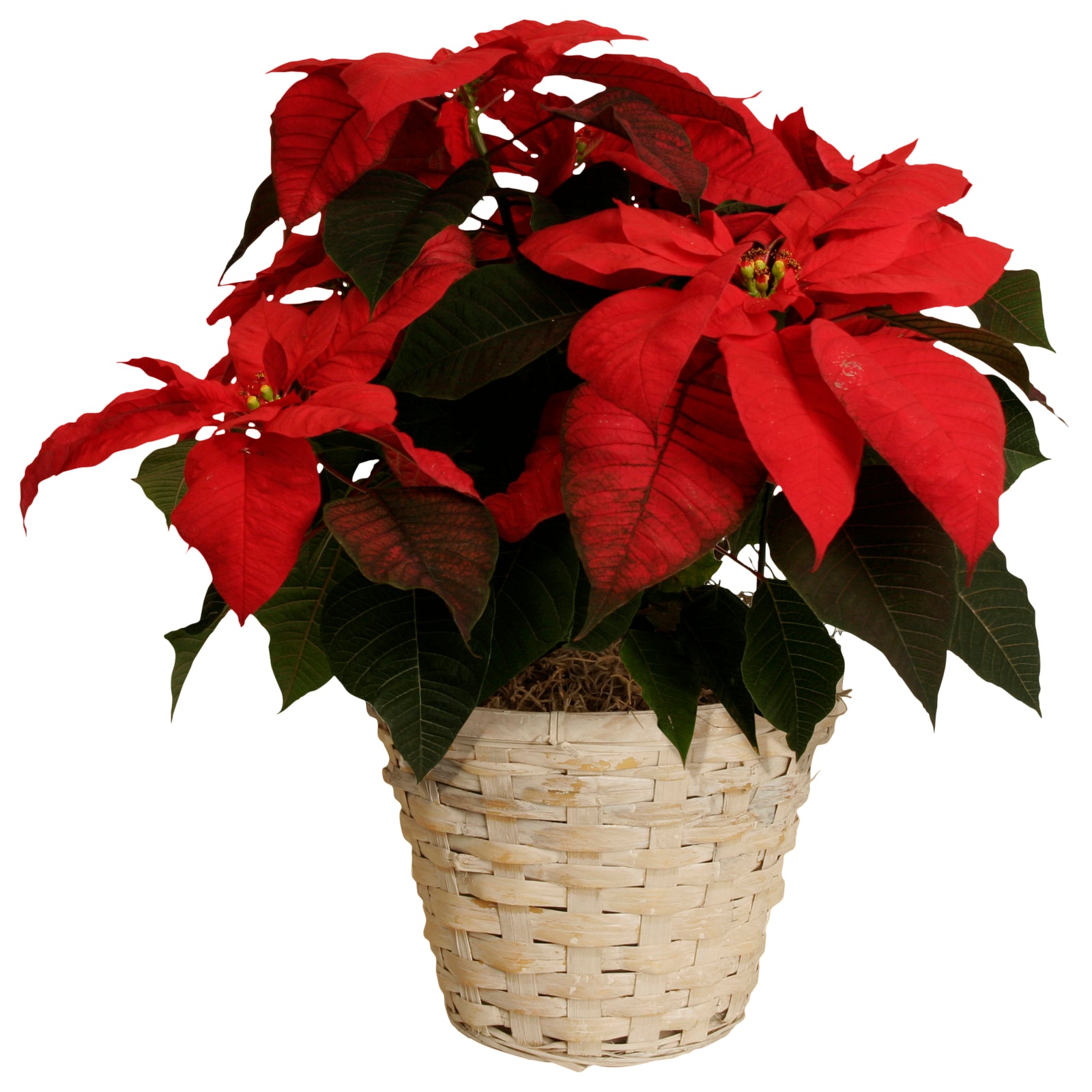
The planter displaying rolled kitchen towels? Sell it.
The wooden box creating height beneath gourmet foods? Put a price on it.
When a display piece sells, replace it with another one and change the arrangement.
Your merchandising materials are no longer simply an expense. They're another opportunity for a sale.
Make It Easy to Imagine the Purchase
Great merchandising answers a question customers may not even realize they're asking:
What would I do with this?
Showing a basket filled with pantry items demonstrates scale and purpose. Using a planter somewhere other than the garden introduces another possibility. Displaying products together helps customers imagine giving them together.
You aren't just making the store prettier. You're giving customers ideas.
And sometimes the best way to make a store feel like it has more to offer isn't adding more inventory at all.
It's showing customers more possibilities in the inventory you already have.